Overview
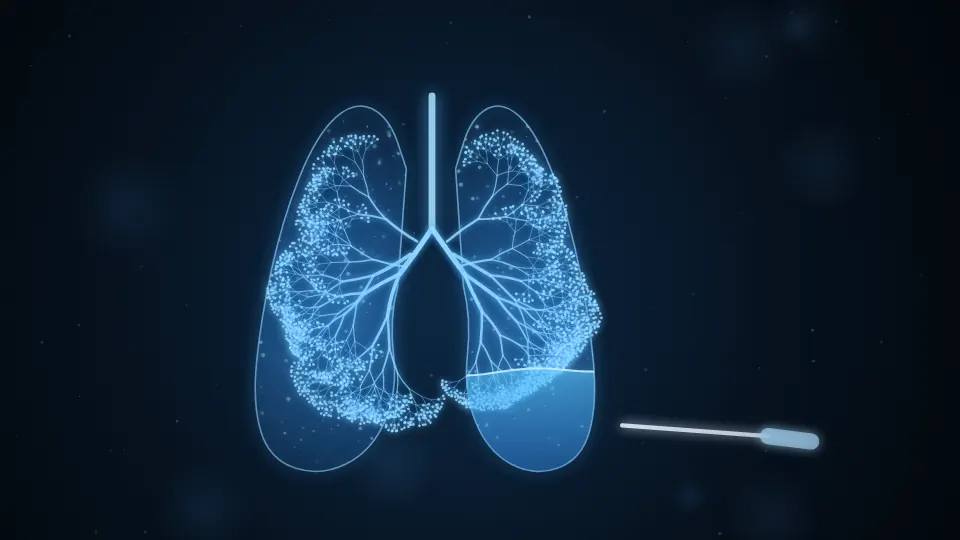
Thoracentesis (pleural fluid aspiration) is a procedure to remove fluid from the pleural space (the space between the lung and chest wall). It serves both diagnostic and therapeutic purposes.
When is it recommended?
- Investigation of pleural effusion to determine the cause
- Relief of breathlessness caused by large pleural effusion
- Diagnostic fluid sampling for microbiological, cytological or biochemical analysis
- Monitoring response to treatment
What to Expect
- 1
Clinical Evaluation
Thorough clinical assessment and review of imaging before any procedure is performed.
- 2
Preparation
No special fasting is required for a simple diagnostic aspiration. Inform the team of medications including blood thinners. The procedure site is identified using clinical examination or ultrasound guidance.
- 3
The Procedure
Local anaesthesia is applied to the skin. A needle or small catheter is introduced into the pleural space. Fluid is aspirated either for diagnostic purposes (small sample) or therapeutically (larger volume). Ultrasound guidance may be used.
- 4
Recovery
A chest X-ray may be taken after the procedure. Most patients can go home the same day. Minor discomfort or cough during the procedure is common.
- 5
After the Procedure
Report any increasing breathlessness or chest pain after the procedure. Avoid strenuous activity on the day of the procedure.